When Your Niche Forum Goes Viral: The Painful Art of Growing Without Selling Out
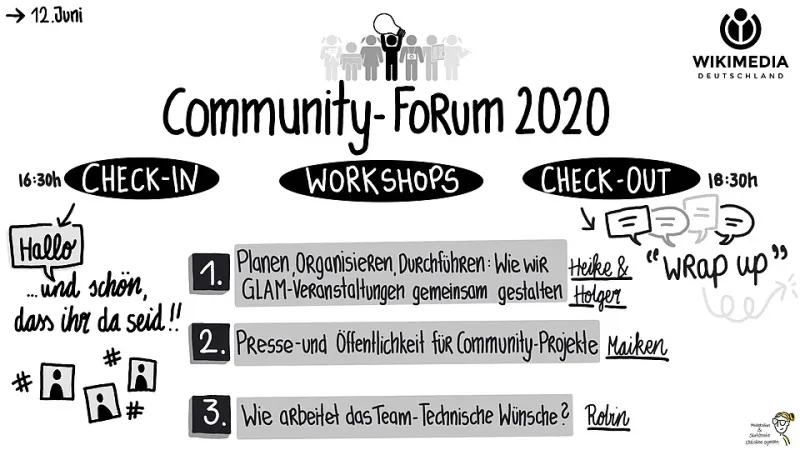
Photo: Christine Oymann für Wikimedia Deutschland e. V., CC BY-SA 4.0, via Wikimedia Commons
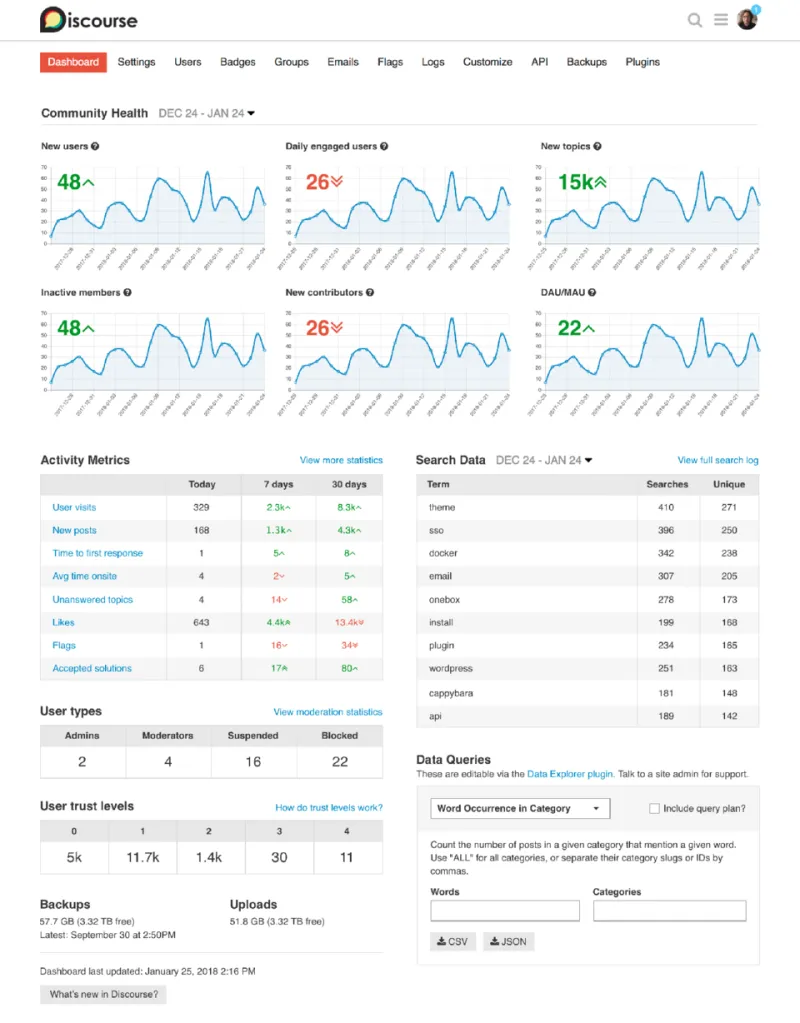
One day your forum has 800 regulars who all know each other's usernames, inside jokes, and posting habits. Then a Reddit thread links to your community, a TikTok creator gives you a shoutout, or a major news outlet mentions your niche — and suddenly you've got 12,000 new signups in a weekend. Congratulations, right?
Not exactly. For a lot of longtime community members and moderators, that moment isn't a celebration. It's closer to a fire alarm.
The "Golden Era" Problem
Every tight-knit forum has what members call its golden era — that sweet spot when the community was big enough to feel alive but small enough that everyone still felt like a neighbor. When growth hits fast, that era seems to vanish overnight, and the people who built the community from scratch are suddenly the minority in their own home.
Take the case of a popular US-based mechanical keyboard enthusiast forum that went from a few thousand members to over 100,000 in less than a year after a mainstream tech YouTube channel featured one of its group buys. Longtime moderators described the aftermath as "culture whiplash." New members arrived with completely different expectations — some wanted instant answers, others treated the forum like a customer service desk, and a chunk had zero interest in the collaborative, slow-burn discussion culture the community had spent years building.
"We had threads that used to run for months with deep technical discussion," one moderator shared on a community management Discord. "After the spike, those same threads would get buried in 48 hours under basic beginner questions. The regulars started logging off."
The Moderation Tightrope
Here's where it gets complicated. Growth is generally good — more members means more perspectives, more resources, and usually more longevity for the platform. But the moderation infrastructure that works for 1,000 engaged users absolutely does not scale to 50,000 casual ones.
Moderators across several communities have described the same painful pattern: rules that were once understood implicitly by everyone now need to be written out explicitly. Enforcement becomes inconsistent because mod teams are overwhelmed. And the community's unwritten cultural codes — the stuff that made the forum feel like itself — simply don't transfer to people who weren't there to absorb them organically.
Some communities have responded by adding tiered membership systems. New accounts get limited posting privileges for 30 or 60 days, essentially creating an onboarding buffer zone. Others have introduced dedicated "beginner" subforums to redirect entry-level questions away from the main discussion areas, keeping the core threads intact for veterans.
A tabletop RPG community based out of the Pacific Northwest took a different approach entirely. When their forum hit viral status after being featured in a popular gaming newsletter, the mod team held a community-wide vote on whether to temporarily close new registrations. The vote passed — and the community spent six weeks quietly restructuring before reopening. It was a bold call, and it worked. Retention among pre-viral members actually increased after the restructuring.
Authenticity vs. Accessibility
The hardest question any growing community has to answer is this: who is the forum actually for?
That sounds harsh, but it's worth sitting with. Some communities are explicitly designed to be open to everyone at every experience level. Others are built around a shared depth of knowledge or commitment that takes time to develop. Neither model is wrong — but trying to be both at once is where communities tend to lose their identity.
A competitive fishing forum in the Midwest navigated this by doubling down on what made them distinct. Rather than softening their culture to accommodate newcomers, they leaned harder into their existing identity — producing more original content, spotlighting longtime contributors, and making their community history visible and accessible through a wiki-style archive. New members who stuck around did so because they wanted to become part of that culture, not because the culture had bent to meet them.
"We stopped trying to be for everyone," one of their senior moderators explained. "And paradoxically, we ended up with a healthier, more engaged new member base because of it."
The Mod Team Burnout Factor
Let's not gloss over the human cost here. Moderation is already a thankless, unpaid gig for most forum communities. When viral growth hits, the workload can triple or quadruple in a matter of days. Spam increases. Bad actors show up. Interpersonal conflicts multiply. And the mod team — often a handful of volunteers who signed up because they loved the community — suddenly finds themselves doing full-time community management work for free.
Burnout among moderators during growth spikes is one of the leading causes of community collapse. Forums that survive viral moments almost always have one thing in common: they expanded their moderation team before things got out of hand, often by promoting trusted long-term members who already understood the community's values.
What Survival Actually Looks Like
The communities that come out the other side of viral growth with their culture intact tend to share a few traits. They communicate openly with their members about what's changing and why. They protect the spaces and threads that matter most to veterans. They bring new members into the community's history rather than pretending it didn't exist before them. And they accept that some attrition among longtime members is inevitable — the goal is to minimize it, not eliminate it.
Going viral doesn't have to mean going generic. But it does require moderators and community leaders to make some genuinely tough calls, often under pressure and without much sleep. The forums that figure it out? They tend to come out stronger, stranger, and more themselves than ever.