The People Keeping Your Favorite Forums Alive Are Burning Out — And Nobody's Paying Them
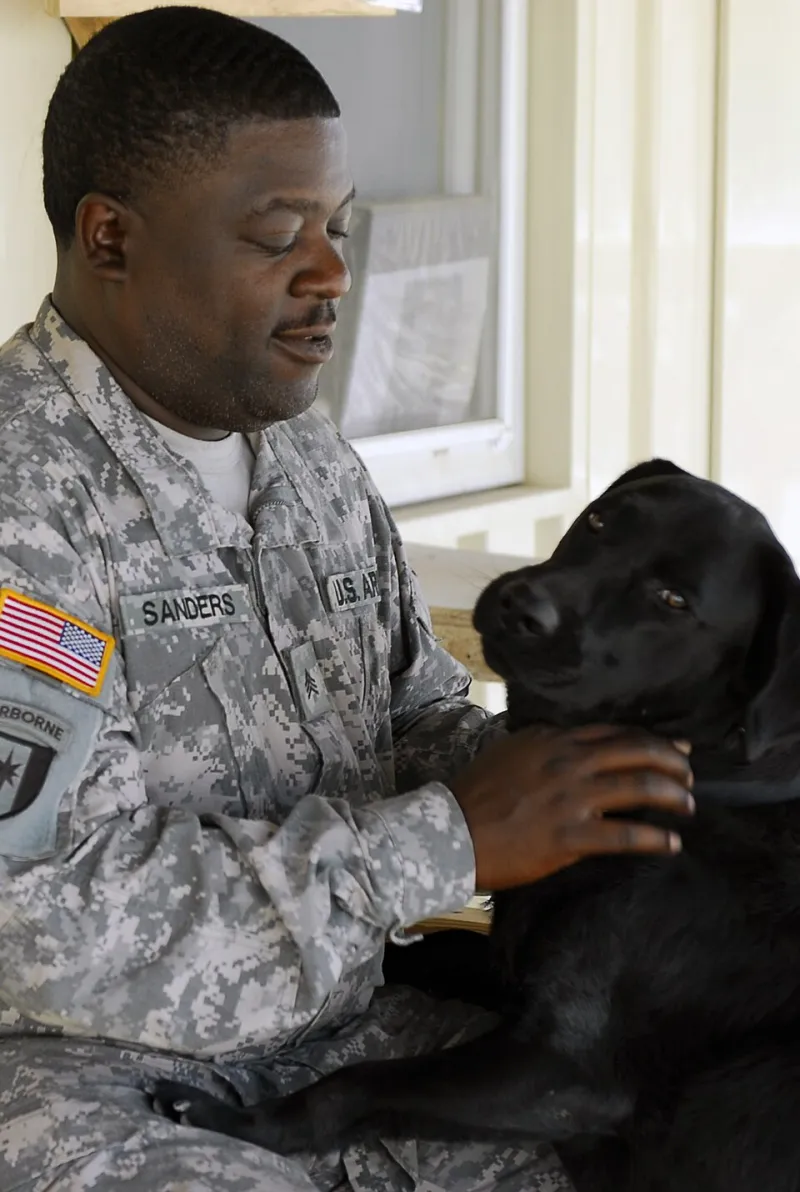
Photo: Spc. Karla Elliott, Public domain, via Wikimedia Commons
You've probably never thought much about who deleted that racist comment before you saw it. Or who spent two hours mediating a blowup between veteran members that could have nuked an entire subforum. Or who rewrote the community rules at midnight because a loophole got exploited — again. That was a moderator. And they did it for nothing.
Moderating an online community is one of the most thankless gigs in the digital world, and it's holding the internet's social fabric together by a thread.
What Moderators Actually Do All Day
Here's what a lot of people picture when they think of a forum mod: someone clicking a "delete" button every so often. Maybe banning a troll once a week. Easy stuff, right?
Wrong. The actual job description looks a lot more like a combination of therapist, referee, HR manager, and janitor — all rolled into one unpaid position.
On a mid-sized forum with, say, 10,000 active members, a dedicated mod might spend anywhere from 10 to 30 hours a week on community work. That includes reading reported posts, handling ban appeals (which often come with lengthy emotional messages), welcoming newcomers, updating stickied threads, and defusing arguments before they spiral into full-on community crises. On bigger boards, the workload can rival a part-time job. Sometimes a full-time one.
And then there's the stuff that doesn't show up in any mod log: the DMs from members going through hard times, the gut-punch of watching a beloved community member get doxxed, the stress of making a controversial call and then watching your inbox fill up with angry replies.
"You absorb a lot," said one long-time moderator of a popular hobby forum who asked to remain anonymous. "People share really personal stuff in communities, and when things go wrong, you're the one fielding it. Nobody trained me for that."
The Psychological Weight Nobody Talks About
Moderator burnout is real, it's common, and it's largely invisible to the people who benefit from it most — the members themselves.
Researchers who study online community governance have noted patterns that look a lot like occupational burnout in traditional workplaces: emotional exhaustion, detachment from the community, a drop in the quality of moderation decisions. The difference is that when a paid employee burns out, there are HR systems and labor laws in place. When a volunteer mod burns out, they usually just... disappear. And the community often doesn't notice until things start falling apart.
The content mods deal with can also be genuinely disturbing. Even on forums dedicated to lighthearted topics — gaming, crafting, sports — moderators regularly encounter harassment, self-harm disclosures, and graphic content. There's no employee assistance program waiting for them afterward. No debrief. Just the next reported post in the queue.
The emotional stakes are especially high because most moderators are also deeply invested members. They didn't take the job for power — they took it because they love the community. That love makes the hard calls hurt more.
When Good Mods Go Ghost
Burnout doesn't announce itself. It usually looks like a mod who slowly becomes less active, starts taking longer to respond to reports, or quietly steps down with a brief goodbye post that gets buried in a week's worth of new threads.
The downstream effects on a community can be severe. Without consistent moderation, rule enforcement gets uneven. Bad actors test boundaries. Long-time members get frustrated and leave. New members get a worse first impression. The whole culture can shift in a matter of months.
This is a pattern that repeats across forums of every size and subject — and it's one of the most common reasons thriving communities suddenly go quiet.
How Some Communities Are Actually Fixing This
The good news is that some forum operators and community owners are starting to take the problem seriously, and a few experiments are worth watching.
Shared moderation models are gaining traction. Instead of relying on one or two super-mods who handle everything, communities are building larger, more distributed teams where no single person carries the full load. Rotating responsibilities — so no one mod is always the one handling the worst content — has shown real promise in reducing individual burnout.
Structured check-ins and mod-only spaces are another approach. Creating a private channel or subforum just for the moderation team gives mods a place to decompress, share difficult situations, and support each other. It sounds simple, but having a space to say "that was rough" to people who understand makes a measurable difference.
And then there's the most direct solution: actually paying moderators. A growing number of community platforms and forum owners — particularly those running communities that generate ad revenue or subscription income — are beginning to offer stipends, gift cards, or other compensation to their mod teams. It's not always a lot, but the symbolic value matters. It signals that the work is real work.
Some Discord-native communities have even started using tipping systems or Patreon models where members can directly support the people keeping their spaces clean and functional. Forum Canavar has seen communities built around this idea succeed in ways that purely volunteer-run spaces often can't sustain long-term.
What Members Can Actually Do
If you're a member of a community you love, you have more power here than you might think.
Say thank you. Publicly. A genuine appreciation post in your forum's general chat costs nothing and means more than most mods will admit. Follow the rules — consistently, not just when you feel like it. Report bad content so mods don't have to catch everything themselves. And if your community has a way to financially support its leadership, consider using it.
The communities that last aren't just built on good topics or interesting members. They're built on the people who show up every day to do the invisible work of keeping the lights on. Those people deserve to be seen — and honestly, they deserve a lot more than a thank-you post.
But it's a start.